
Explore a place. Share an interest.
Meet People in Gwalior – Chat with Locals & Travelers
Plan your time in Gwalior and discover people who share your interest in the city.
Join free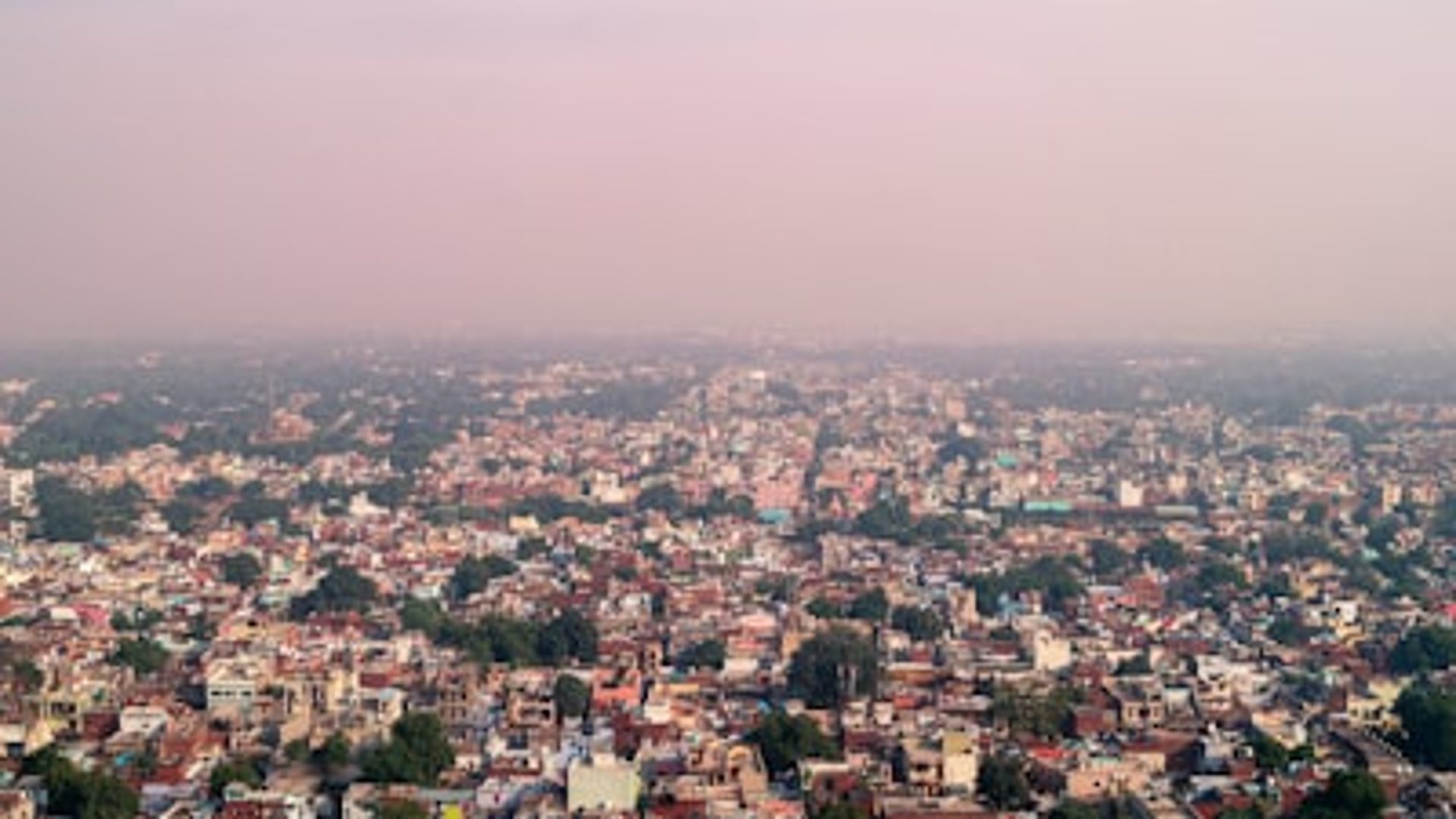
Gwalior, a historic city in the state of Madhya Pradesh, India, is defined by its dramatic hilltop fortress and a rich tapestry of royal heritage. The city serves as a bridge between ancient traditions and modern development, characterized by its sandstone architecture, intricate carvings, and vibrant bazaars. Culturally, Gwalior is renowned for its deep-rooted connection to Indian classical music, being the birthplace of the legendary musician Tansen. Visitors experience a unique blend of history and daily life, where bustling streets lead to serene monuments and sprawling palace complexes. The local atmosphere is shaped by a mix of academic energy from its prestigious institutions and a slow-paced, traditional lifestyle. Whether exploring the architectural marvels or engaging with the local community in its historic squares, Gwalior offers a distinctive glimpse into the heart of Central India, perfect for those interested in history, music, and authentic cultural immersion.
Places to visit in Gwalior
Gwalior Fort
Perched on a steep sandstone cliff, this massive 8th-century fortress dominates the city skyline. It is a complex of palaces, temples, and water tanks, featuring the iconic Man Mandir Palace with its blue-tiled exterior. The fort offers panoramic views of the city and serves as a testament to the architectural prowess of various dynasties, including the Tomars and Mughals. Walking through its gates, visitors encounter intricate stone carvings and historical inscriptions that provide a profound sense of the region's strategic and cultural importance over centuries.
Why visit: It is the city's most iconic landmark and a central point for understanding Gwalior's history.
Visit early in the morning to avoid the heat and enjoy the quiet atmosphere before crowds arrive.
Official information ↗Jai Vilas Palace
This grand 19th-century palace is a masterpiece of European architecture, reflecting the opulent lifestyle of the Scindia dynasty. The interior is famous for its massive crystal chandeliers, intricate carpets, and a unique silver model train that once served food on the dining table. A significant portion of the palace is now a museum, housing an extensive collection of royal artifacts, weaponry, and personal belongings. The contrast between the Italian-style architecture and the surrounding Indian landscape makes it a visually striking destination for those interested in royal history.
Why visit: It provides an intimate look at the luxury and artistic patronage of Gwalior's former rulers.
Check the museum section specifically for the collection of vintage royal carriages and textiles.
Official information ↗Teli Ka Mandir
Located within the Gwalior Fort complex, this temple is a unique architectural marvel that blends North and South Indian styles. Its towering structure, built in the 8th or 9th century, is known for its distinct rectangular plan and Dravidian-style roof. The temple is dedicated to various deities and is adorned with elaborate carvings that have survived centuries of exposure. Its unusual design and historical significance make it a focal point for architectural enthusiasts and those exploring the religious heritage embedded within the fortress walls.
Why visit: It is an architectural anomaly that stands out from other temples in the region.
Look closely at the intricate carvings on the doorway, which are remarkably well-preserved.
Sun Temple
Inspired by the famous Sun Temple in Konark, this modern structure is built entirely of red sandstone and white marble. It is a popular site for locals, known for its serene environment and well-maintained gardens. The temple's design incorporates traditional motifs and a striking chariot-like appearance, making it a peaceful retreat from the city's busier areas. It serves as a spiritual landmark where visitors can observe local customs and enjoy the quiet surroundings, especially during sunrise or sunset when the light enhances the stone's natural colors.
Why visit: It offers a tranquil space to observe local religious practices away from the historic fort.
Visit during the evening prayer time to experience the temple's serene and meditative atmosphere.
Museums, galleries & culture
Gujari Mahal Archaeological Museum
Housed within a 15th-century palace built by Raja Man Singh Tomar for his queen, Mrignayani, this museum contains a vast collection of ancient sculptures, inscriptions, and artifacts. The exhibits span several centuries, featuring rare statues from the 1st and 2nd centuries BC. The building itself, with its thick stone walls and historical charm, provides an authentic backdrop for the collection. It is an essential stop for those wanting to understand the artistic evolution of the region and the historical significance of the artifacts unearthed in and around Gwalior.
Why visit: It houses some of the most significant archaeological finds in the region.
Focus on the collection of Jaina and Hindu sculptures which are particularly well-curated.
Scindia Museum
Located within the Jai Vilas Palace, this museum offers an extensive look at the history of the Scindia family and their impact on the city. The galleries display everything from royal portraits and ceremonial costumes to historical documents and personal artifacts. The museum is renowned for its preservation of the royal lifestyle, offering visitors a detailed narrative of the transition from princely states to modern India. It is a comprehensive resource for those seeking to delve deeper into the political and social history of Gwalior.
Why visit: It provides a deep dive into the specific history of the ruling family of Gwalior.
Allow plenty of time, as the collection is vast and covers many different aspects of royal life.
Official information ↗Popular places to meet in Gwalior
Indian Coffee House
A classic institution in Gwalior, this cafe is known for its simple, no-frills atmosphere and traditional menu. It serves as a central hub for students, locals, and travelers to gather over filter coffee and snacks. The environment is informal and conducive to long conversations, making it a reliable spot for those looking to meet people in a relaxed, local setting. Its long-standing reputation ensures a steady stream of regulars who appreciate the unpretentious vibe.
Why meet here: It is a historic meeting spot that attracts a diverse local crowd.
Try the classic South Indian snacks which are a staple of the menu here.
Gwalior Trade Fair Grounds
During the annual fair season, these expansive grounds become the city's social heart. It is a bustling area filled with local artisans, food stalls, and cultural performances. Even outside of the peak fair season, the area serves as a large public space where residents congregate. It is an excellent place to observe local life, engage with vendors, and experience the communal spirit of the city. The open layout allows for casual interactions in a lively, outdoor setting.
Why meet here: It is a vibrant space that reflects the commercial and social energy of the city.
Visit during the winter months when the area is most active and full of local vendors.
Explore the city
Gwalior Fort Heritage Walk
Begin your walk at the Gwalior Gate and ascend the steep path toward the fort. As you climb, you will pass ancient rock-cut statues of Tirthankaras. Once inside, wander through the Man Mandir Palace, admiring the blue-tiled mosaics and the intricate architecture of the various courtyards. Continue to the Teli Ka Mandir and the Sas-Bahu Temples, which offer a deep look into medieval stone craftsmanship. This walk allows you to pace yourself while exploring the vast history of the site. Conclude your journey at the fort's edge to watch the sunset over the city, providing a perfect moment to reflect on the architectural legacy of the region.
How ChatVoyager works in Gwalior
Plan a trip to Gwalior, share what you discover and connect with the community. Get started in three steps.
-
Create profile
Introduce yourself
Add a short bio and your interests so people interested in Gwalior can get to know you.
Your profile is your starting point.
-
Choose a city or plan a trip
Explore Gwalior
Set Gwalior as your location, create a trip there, or explore other travelers’ plans.
Your city. Your next trip.
-
Connect
Share and connect
Share tips, posts and photos from your trip, and join community conversations. Send a wave when you’d like to start a private chat.
Private chats start with an accepted wave.
Ready to make a connection in Gwalior?
Create your free profileIce breaker to start a chat
Gwalior ka laddu, tum ho badhiya! Ready to explore Gwalior's forts and flavors together?
Join freeMeeting people and exploring Gwalior: questions and answers
How can I search for people in Gwalior using ChatVoyager?
After creating an account and confirming your email, you can use Exploration Mode to set Gwalior as your profile-search location. This allows you to view profiles of others interested in the city without needing to create a formal trip. You can use filters to narrow down your search by interests or languages, and if you find someone you would like to connect with, you can send them a Wave or a direct message to introduce yourself.
Can I connect with people before my trip to Gwalior?
Yes, you can connect with others before you arrive by setting Gwalior as your location in Exploration Mode. This feature lets you see who else is interested in the city, allowing you to reach out and start a conversation. By sharing your interests or asking for local recommendations, you can build connections before you even land, making your arrival in Gwalior feel more welcoming and familiar.
Where is a good place to start a conversation with locals?
The Indian Coffee House is an ideal spot to strike up a conversation in a casual, low-pressure environment. Because it is a long-standing local institution, you will find a mix of students and residents who are often open to chatting over a cup of coffee. A simple conversation starter could be asking for their favorite local dish or their opinion on the best time of day to visit the nearby Gwalior Fort.