
Explore a place. Share an interest.
Meet People in Gwangju – Chat with Locals & Travelers
Plan your time in Gwangju and discover people who share your interest in the city.
Join free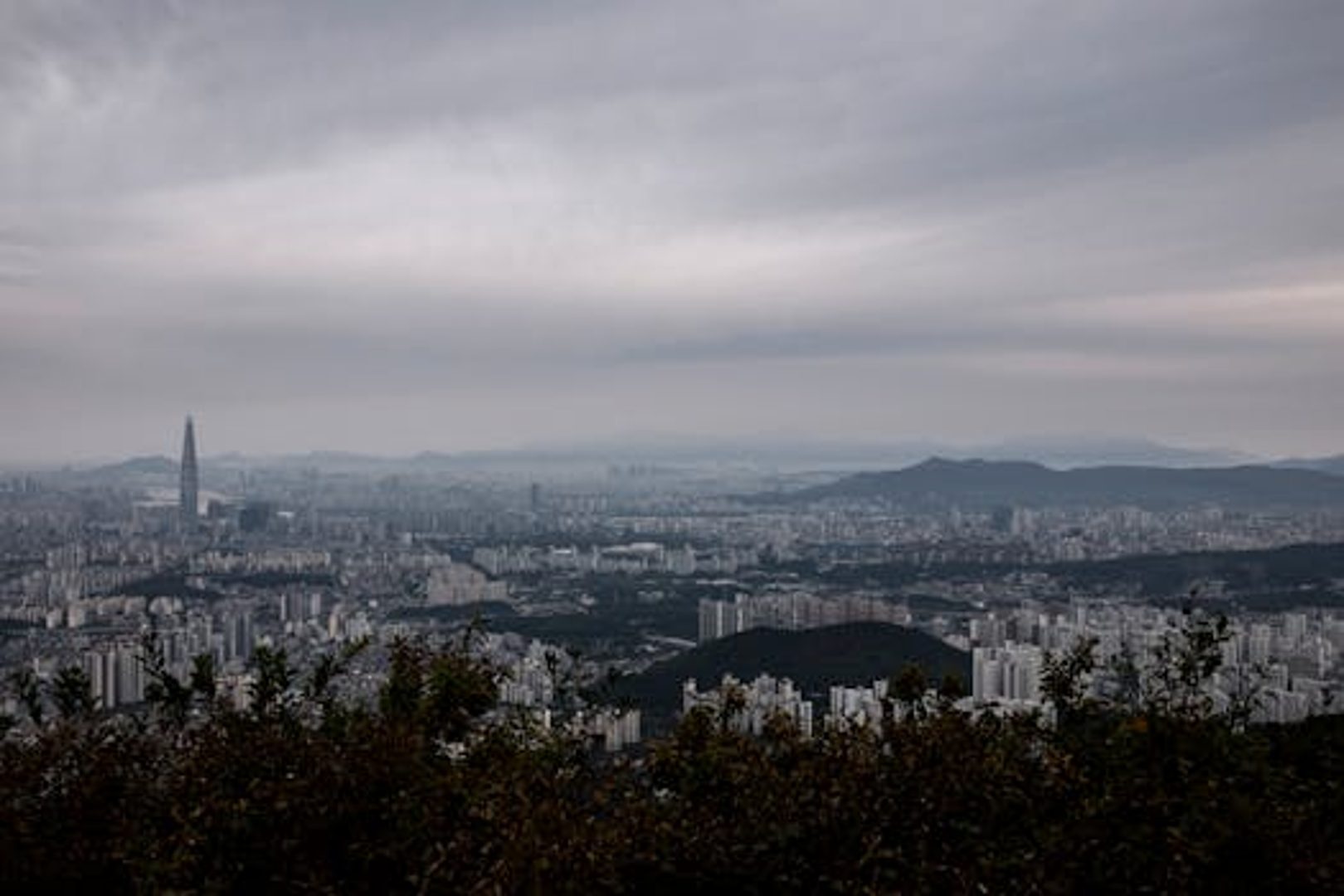
Gwangju, located in the southwestern region of South Korea, is a city defined by its profound historical significance and vibrant artistic spirit. Often regarded as the cradle of South Korean democracy, the city balances its somber, reflective history with a modern, creative energy that permeates its streets. Visitors will find a landscape where traditional Korean aesthetics meet contemporary urban development, characterized by lush parks, bustling markets, and a thriving cultural scene. The city is particularly famous for its biennale, which attracts global attention, and its deep-rooted culinary traditions that define the local identity. Navigating Gwangju offers a unique opportunity to engage with a community that prides itself on its resilience and hospitality. Whether exploring historical monuments or enjoying the lively atmosphere of local districts, travelers can experience a side of South Korea that is both intellectually stimulating and deeply welcoming to those seeking authentic connections.
Places to visit in Gwangju
Mudeungsan National Park
Mudeungsan National Park serves as the majestic backdrop to Gwangju, offering extensive hiking trails that wind through unique columnar jointing rock formations. The park is a sanctuary for both locals and visitors, providing a serene escape from the urban environment. As you ascend the trails, you are rewarded with panoramic views of the city and the surrounding countryside. The mountain is deeply revered, and its changing seasonal beauty makes it a year-round destination for those who appreciate nature and physical activity.
Why visit: It is the most iconic natural landmark in the region.
Check the weather forecast before heading up, as conditions can change rapidly at higher elevations.
Official information ↗1913 Songjeong Station Market
This historic market has been revitalized to blend traditional charm with modern entrepreneurial spirit. Located near the KTX station, it features a variety of small shops, artisanal food stalls, and creative boutiques housed in renovated structures that retain their original character. The market is a hub of activity where you can sample local street food, purchase unique handmade crafts, and observe the intersection of old-world commerce and contemporary youth culture. It provides an accessible and lively environment for those looking to experience the local lifestyle.
Why visit: It offers a perfect mix of history and modern local commerce.
Visit in the late afternoon to see the market transition into its evening atmosphere.
Asia Culture Center
The Asia Culture Center is a massive, subterranean cultural complex designed to foster artistic exchange and research. It houses various exhibition halls, theaters, and libraries, serving as a focal point for contemporary art and performance in Asia. The architecture itself is a marvel, featuring expansive green spaces and light-filled courtyards that invite the public to linger. It is not just a museum but a living space where visitors can engage with diverse cultural programs, workshops, and installations that reflect the city's commitment to democratic values and creativity.
Why visit: It is the premier cultural institution in the city.
Spend time in the outdoor plaza, which is a popular gathering spot for residents.
Official information ↗Penguin Village
Penguin Village is a quirky, artistic neighborhood created from the remnants of discarded objects and recycled materials. Residents and artists have transformed the alleys into an open-air gallery, decorating walls and fences with old clocks, kitchenware, and vintage photographs. The name originates from the way elderly residents walk, but the village has become a symbol of community-led urban regeneration. It is a visually stimulating area that encourages slow exploration, offering plenty of photo opportunities and a glimpse into the creative heart of the local community.
Why visit: It showcases a unique, grassroots approach to neighborhood beautification.
Walk slowly through the narrow alleys to spot the hidden details in the art installations.
Museums, galleries & culture
Gwangju Museum of Art
Situated within the sprawling Jungoe Park, the Gwangju Museum of Art is dedicated to promoting contemporary art and supporting local artists. The museum hosts a rotating series of exhibitions that range from traditional Korean ink paintings to experimental multimedia installations. Its location within a park makes it an ideal destination for a relaxing day of art appreciation followed by a walk through the surrounding greenery. The institution plays a crucial role in the city's identity as a center for artistic innovation and cultural discourse.
Why visit: It provides deep insight into the regional art scene.
Combine your visit with a walk through the surrounding Jungoe Park sculpture garden.
Official information ↗May 18th Memorial Park
This park serves as a solemn tribute to the Gwangju Democratization Movement of 1980. The site includes a memorial hall, a cemetery, and various monuments that honor the sacrifices made for democracy in South Korea. While it is a place of reflection, it is also a beautifully landscaped area that encourages visitors to learn about the city's history. The museum provides context to the events, helping visitors understand the deep-seated values of the local population and the significance of the city's role in the nation's political history.
Why visit: It is essential for understanding the modern history of Gwangju.
Take time to read the historical markers to fully grasp the significance of the site.
Popular places to meet in Gwangju
Dongmyeong-dong Cafe Street
This neighborhood is famous for its dense concentration of unique, aesthetically pleasing cafes housed in renovated traditional houses. The atmosphere is relaxed and intellectual, making it a popular spot for students and young professionals to converse over coffee. It is an ideal setting for a casual meeting where the environment encourages lingering conversations. The diverse architectural styles of the cafes provide a distinct backdrop that feels both intimate and vibrant.
Why meet here: It is the primary hub for social gatherings and cafe culture.
Explore the side streets to find smaller, less crowded cafes.
The First Alleyway
Located in a lively part of the city, this venue offers a welcoming atmosphere that blends international pub culture with local hospitality. It is known for its hearty food and selection of drinks, making it a comfortable place for groups to gather. The setting is informal, designed to facilitate easy interaction, and it is frequently visited by both locals and expatriates, creating a diverse social environment.
Why meet here: It is a well-established venue for social dining and conversation.
Check their social media for any community-focused events or gatherings.
Visit the official website ↗Explore the city
Art and History Walk
Start your journey at the Asia Culture Center to immerse yourself in contemporary art and architecture. From there, walk toward the nearby historic district to explore the remnants of the old city center. This route allows you to contrast the ultra-modern facilities of the cultural center with the traditional aesthetics of the surrounding streets. As you walk, you will pass through various public squares where locals gather, providing a sense of the city's daily rhythm. End your walk at a cafe in Dongmyeong-dong to reflect on the blend of history and modernity that defines Gwangju.
How ChatVoyager works in Gwangju
Plan a trip to Gwangju, share what you discover and connect with the community. Get started in three steps.
-
Create profile
Introduce yourself
Add a short bio and your interests so people interested in Gwangju can get to know you.
Your profile is your starting point.
-
Choose a city or plan a trip
Explore Gwangju
Set Gwangju as your location, create a trip there, or explore other travelers’ plans.
Your city. Your next trip.
-
Connect
Share and connect
Share tips, posts and photos from your trip, and join community conversations. Send a wave when you’d like to start a private chat.
Private chats start with an accepted wave.
Ready to make a connection in Gwangju?
Create your free profileIce breaker to start a chat
Ready to *jeoldaga* (쩔다가) with someone special exploring Gwangju?
Join freeMeeting people and exploring Gwangju: questions and answers
How can I search for people in Gwangju using ChatVoyager?
After creating an account and confirming your email, you can use Exploration Mode to set Gwangju as your search location without needing to create a formal trip. This allows you to browse profiles based on your interests and language preferences.
Can I connect with people in Gwangju before my trip starts?
Yes, once you have identified profiles in Gwangju through the search filters, you can send a Wave or a direct message to introduce yourself and start a conversation before you arrive.
What is a good way to start a conversation at the Asia Culture Center?
You could ask someone about their favorite exhibition or their thoughts on the architecture of the building. Since the center is a hub for contemporary art, discussing a specific installation or the current theme of the gallery is a natural way to break the ice.
Official information ↗Where is a relaxed place to suggest meeting someone for a coffee?
Dongmyeong-dong Cafe Street is an excellent choice for a first meeting. The area is filled with unique, quiet cafes that provide a comfortable atmosphere for conversation. Suggesting a walk through the area to pick a cafe together is a low-pressure way to start your meeting.