
Explore a place. Share an interest.
Meet People in Hohhot – Chat with Locals & Travelers
Plan your time in Hohhot and discover people who share your interest in the city.
Join free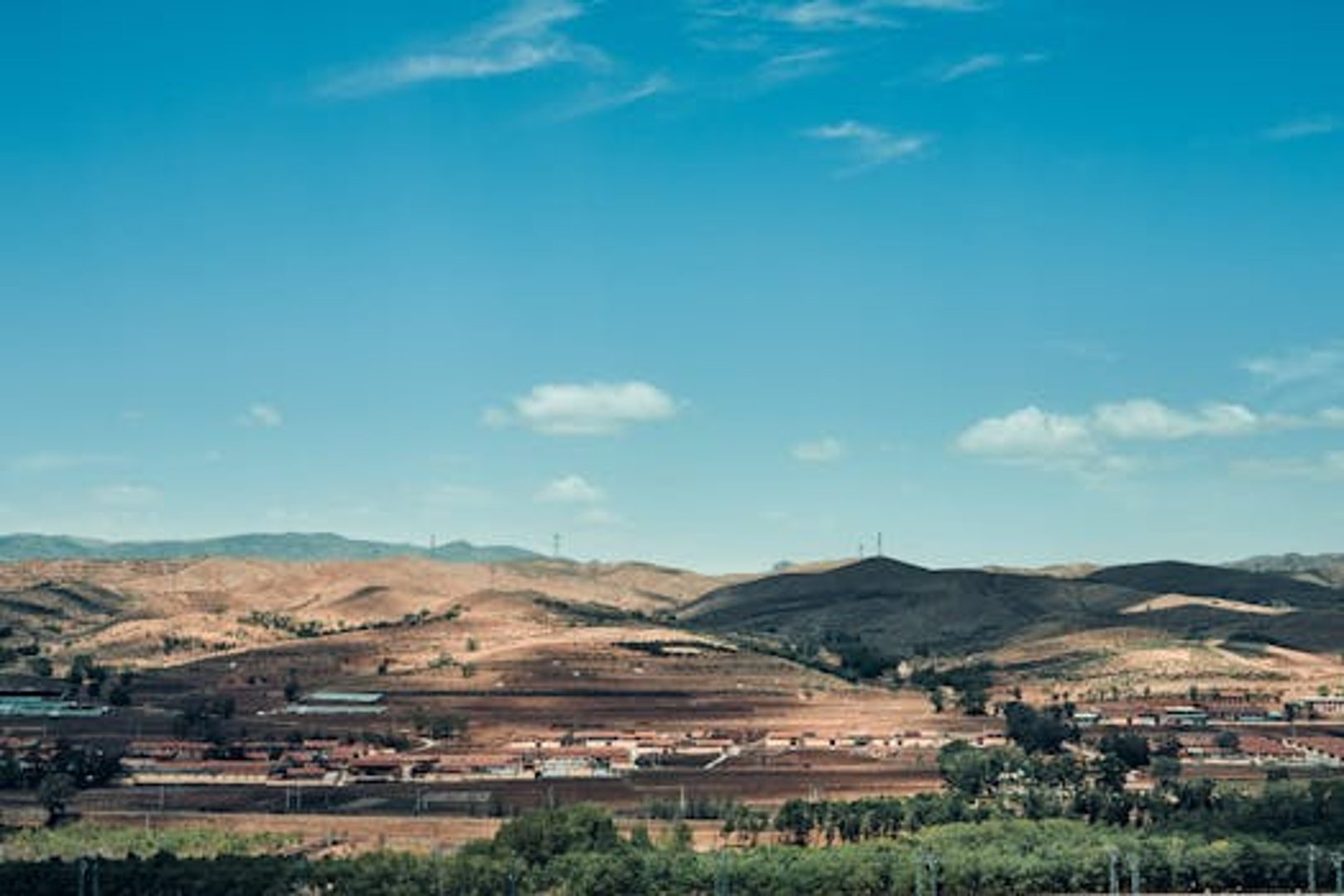
Hohhot, the capital of the Inner Mongolia Autonomous Region in China, serves as a unique cultural bridge between nomadic traditions and modern urban development. Known as the 'Blue City' in the Mongolian language, it is geographically situated on the northern edge of the Hetao Plain, flanked by the Daqing Mountains. The city offers a distinct blend of Han Chinese and Mongolian influences, visible in its architecture, cuisine, and daily life. Visitors can explore ancient temples, expansive steppes nearby, and vibrant markets that showcase local crafts. The atmosphere is characterized by a mix of historical reverence and a growing contemporary social scene. For those looking to connect with others, the city provides diverse settings ranging from traditional tea houses to modern cultural hubs, making it an intriguing destination for travelers interested in experiencing the intersection of diverse cultural heritages in a rapidly evolving regional center.
Places to visit in Hohhot
Dazhao Temple
Dazhao Temple is the oldest and most significant Tibetan Buddhist temple in Hohhot, built in the late 16th century. It is renowned for its 'three treasures': a massive silver Buddha statue, intricate dragon carvings, and elaborate murals. The temple complex provides a serene environment where visitors can observe traditional religious practices and architectural craftsmanship. Walking through the courtyards, one gains a deep appreciation for the spiritual history of the region and the enduring influence of Tibetan Buddhism in Inner Mongolia.
Why visit: It is the cultural heart of the city, perfect for understanding local history and architecture.
Visit during the morning to witness local pilgrims and monks performing their daily rituals.
Xilamuren Grassland
Located a short distance from the city, the Xilamuren Grassland offers a quintessential Inner Mongolian experience. This vast expanse of rolling green plains allows visitors to engage with the nomadic heritage of the region. You can participate in traditional activities such as horse riding, archery, and staying in authentic yurts. It is a place of immense natural beauty, providing a stark contrast to the urban environment of Hohhot and offering a space to reflect on the vastness of the Mongolian landscape.
Why visit: It provides an essential connection to the nomadic roots that define the regional identity.
Bring warm clothing even in summer, as temperatures drop significantly once the sun sets.
Qingcheng Park
Qingcheng Park is a central green space that serves as a popular gathering spot for residents. It features landscaped gardens, a large lake, and various pavilions that host local activities. Throughout the day, you will see people practicing tai chi, playing traditional instruments, or simply enjoying a stroll. The park is a microcosm of local social life, offering a relaxed setting to observe the daily rhythms of Hohhot residents in a pleasant, open-air environment.
Why visit: It is the most accessible place to observe and participate in the casual social life of the city.
Visit in the early evening when the park becomes a lively hub for community dancing and music.
Inner Mongolia Museum
The Inner Mongolia Museum is a comprehensive institution dedicated to the natural history and cultural heritage of the region. Its exhibits cover everything from prehistoric dinosaur fossils found in the Gobi Desert to the history of nomadic empires and the development of Mongolian ethnic culture. The museum's architecture is striking, and its extensive collection provides a clear narrative of the region's evolution. It is an ideal starting point for any visitor wanting to contextualize their experiences in Hohhot.
Why visit: It offers the most thorough educational overview of the region's unique history and natural environment.
Allocate at least three hours to fully appreciate the extensive dinosaur and nomadic history exhibits.
Museums, galleries & culture
Five Pagoda Temple
The Five Pagoda Temple, or Wuta Si, is a unique architectural gem featuring five small pagodas atop a single base. The walls are covered in intricate carvings of Buddhist scriptures and figures in multiple languages, including Sanskrit, Tibetan, and Mongolian. This site is a testament to the historical exchange of cultures along the northern frontier. It provides a quiet, reflective atmosphere that is distinct from the larger temples, making it a fascinating spot for those interested in religious art and history.
Why visit: The multilingual inscriptions offer a rare look at the historical cultural diversity of the region.
Look closely at the astronomical map carved into the wall, which is considered a rare historical artifact.
Popular places to meet in Hohhot
Inner Mongolia Library Cafe
Located within the city's main library complex, this cafe offers a quiet and intellectual atmosphere. It is a popular spot for students and professionals to work or read. The setting is bright and modern, making it an excellent choice for a low-pressure meeting where conversation can flow easily over coffee. It attracts a crowd that values a calm environment, providing a neutral ground for those looking to connect in a scholarly or relaxed setting.
Why meet here: The quiet environment is ideal for focused conversation and meeting people who enjoy reading.
Check the library's bulletin board for information on local cultural events or language exchange groups.
Explore the city
Old Town Heritage Walk
Start your walk at the Dazhao Temple and head towards the surrounding historic streets. This area retains much of the traditional architecture and atmosphere of old Hohhot. As you wander through the narrow lanes, you will find small shops selling local handicrafts, traditional Mongolian clothing, and regional snacks. This walk allows you to engage with the city's history at a slow pace. Stop at a local tea house along the way to rest and observe the local life. The route is flat and easy to navigate, offering plenty of opportunities to strike up a conversation with shopkeepers or other visitors interested in the city's heritage.
How ChatVoyager works in Hohhot
Plan a trip to Hohhot, share what you discover and connect with the community. Get started in three steps.
-
Create profile
Introduce yourself
Add a short bio and your interests so people interested in Hohhot can get to know you.
Your profile is your starting point.
-
Choose a city or plan a trip
Explore Hohhot
Set Hohhot as your location, create a trip there, or explore other travelers’ plans.
Your city. Your next trip.
-
Connect
Share and connect
Share tips, posts and photos from your trip, and join community conversations. Send a wave when you’d like to start a private chat.
Private chats start with an accepted wave.
Ready to make a connection in Hohhot?
Create your free profileIce breaker to start a chat
Ready to sail the green sea of Hohhot and chat about our favorite Mongolian milk tea spot?
Join freeMeeting people and exploring Hohhot: questions and answers
How can I search for people in Hohhot using ChatVoyager?
After creating an account and confirming your email, you can use Exploration Mode to set Hohhot as your profile-search location without needing to create a formal trip. This allows you to browse profiles based on your interests and language preferences, using filters and distance settings to find relevant connections.
Can I connect with people before I arrive in Hohhot?
Yes, you can use ChatVoyager to introduce yourself to others by sending a Wave or a direct message. By setting your search location to Hohhot in Exploration Mode, you can start conversations with locals or fellow travelers before your journey begins.
What is a good way to start a conversation at the Inner Mongolia Library Cafe?
You can start a conversation by asking someone about the book they are reading or by inquiring about local cultural events mentioned on the library's notice board. Since the cafe is a hub for students and researchers, asking for recommendations on local history or language learning resources is a natural and polite way to engage with others in this quiet, scholarly setting.