
Explore a place. Share an interest.
Meet People in Trieste – Chat with Locals & Travelers
Plan your time in Trieste and discover people who share your interest in the city.
Join free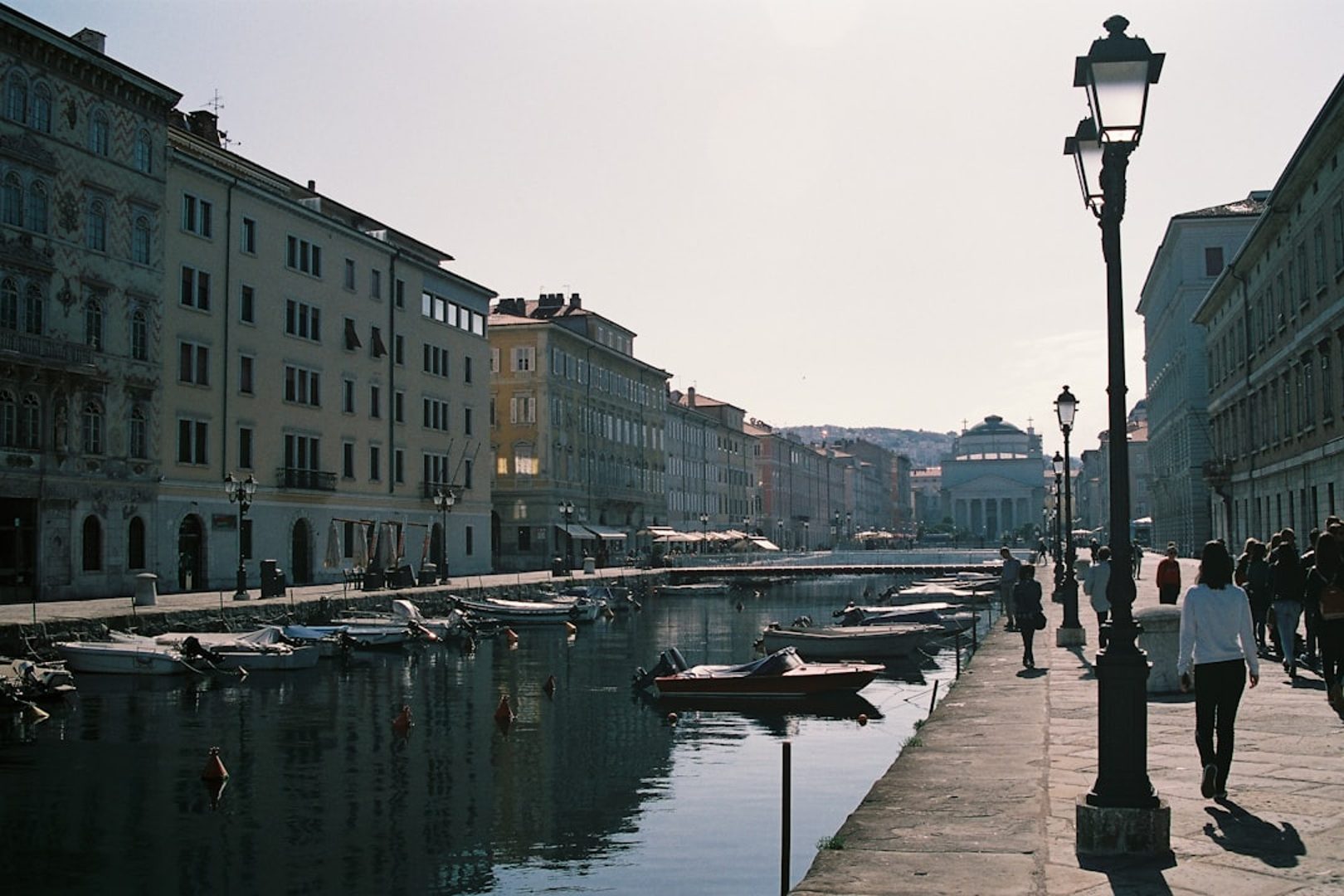
Trieste, an elegant port city nestled between the Adriatic Sea and the Slovenian border, offers a unique blend of Italian, Austrian, and Slavic influences. Historically a vital hub of the Austro-Hungarian Empire, its architecture and coffee culture reflect a sophisticated Central European heritage. The city is defined by its grand squares, such as the expansive Piazza Unità d'Italia, and its dramatic limestone cliffs overlooking the Gulf of Trieste. Beyond its aesthetic charm, Trieste is a city of intellectuals and writers, historically frequented by figures like James Joyce. Visitors can enjoy a relaxed pace of life, wandering through narrow hillside streets or sitting in historic cafes that have served as social anchors for centuries. Whether exploring the maritime history of the port or enjoying the crisp sea breeze, Trieste provides a distinct, contemplative atmosphere for those looking to connect with a city of profound cultural depth.
Places to visit in Trieste
Piazza Unità d'Italia
As the largest sea-facing square in Europe, this grand space is the heart of Trieste. Surrounded by majestic 19th-century buildings like the Palazzo del Governo and the Town Hall, it offers an unobstructed view of the Adriatic. The square serves as a central meeting point where locals and visitors alike gather to admire the architecture and the shifting light over the water. It is a place of immense scale and beauty, perfectly capturing the city's imperial past and its enduring connection to the sea.
Why visit: It is the most iconic location in the city, providing a perfect backdrop for orientation and social observation.
Visit during the golden hour when the sunset reflects off the Adriatic and illuminates the surrounding facades.
Miramare Castle
Perched on a rocky promontory overlooking the Gulf of Trieste, this 19th-century castle was built for Archduke Ferdinand Maximilian of Austria. The structure is a stunning example of eclectic architecture, surrounded by an expansive park filled with rare botanical species. Visitors can explore the opulent interior, which remains largely unchanged, or walk along the coastal paths that offer panoramic views of the sea. The castle grounds are a serene escape, offering a glimpse into the aristocratic lifestyle of the Habsburg era against a dramatic maritime backdrop.
Why visit: The combination of historical architecture and coastal scenery makes it a premier destination for a leisurely afternoon.
Walk the coastal path from the castle toward the Barcola promenade for excellent sea views.
Official information ↗San Giusto Hill
San Giusto is the historic core of Trieste, where the city's oldest layers are preserved. The area is home to the San Giusto Cathedral and the ruins of a Roman theater nearby. Climbing the hill rewards visitors with a quiet, elevated perspective of the city and the port below. The narrow, winding streets feel worlds away from the bustling waterfront, offering a peaceful environment to explore ancient stone walls and hidden courtyards. It is a place where history feels tangible, providing a slow-paced walk through the origins of the city.
Why visit: It offers a quiet, historic atmosphere that contrasts with the modern city center, perfect for reflective walks.
Visit the lapidary garden near the cathedral to see ancient Roman inscriptions and architectural fragments.
Barcola Promenade
The Barcola promenade is a long stretch of coastline that serves as the city's primary outdoor living room. During the warmer months, the concrete embankments are filled with locals sunbathing, swimming, and socializing. It is a quintessential Triestine experience, far removed from the formal tourist sites. The promenade offers an authentic look at local life, with small kiosks and bars scattered along the route. It is the ideal place to experience the city's relaxed maritime culture and its deep-seated love for the sea, especially during the long summer evenings.
Why visit: It is the most authentic place to observe local social habits and enjoy the Adriatic breeze.
Bring a towel and join the locals on the concrete piers for a dip in the sea.
Museums, galleries & culture
Museo Revoltella
Housed in the former residence of Baron Pasquale Revoltella, this museum is one of Italy's most important modern art galleries. The building itself is a masterpiece, featuring a mix of original 19th-century furnishings and contemporary exhibition spaces designed by Carlo Scarpa. The collection spans from the 19th century to the present day, showcasing works by prominent Italian and international artists. It is a sophisticated space that bridges the gap between historical elegance and modern artistic expression, making it a must-visit for those interested in the evolution of visual culture in the region.
Why visit: The unique blend of period rooms and modern galleries provides an engaging environment for art lovers.
Head to the rooftop terrace for one of the best panoramic views of the city and the port.
Official information ↗James Joyce Museum
Trieste played a pivotal role in the life of James Joyce, who spent over a decade here. This museum is dedicated to his time in the city, documenting his personal life, his literary work, and his deep connection to the local culture. The exhibits include personal documents, photographs, and rare editions of his books. It offers a fascinating look at how the city's multicultural environment influenced his writing. For those interested in literature, the museum provides a deeper understanding of the intellectual atmosphere that once defined this cosmopolitan port city.
Why visit: It highlights the city's significant literary history and its influence on world-renowned authors.
Look for the bronze statue of Joyce on the Ponterosso bridge nearby to complete the literary tour.
Official information ↗Popular places to meet in Trieste
Caffè San Marco
Established in 1914, this legendary cafe is a cornerstone of Triestine intellectual life. With its high ceilings, marble tables, and wood-paneled walls, it retains the atmosphere of a classic Central European coffee house. It is a place where conversation flows easily over espresso and pastries, attracting a diverse crowd of readers, students, and locals. Its quiet, refined setting makes it an excellent choice for a low-key introduction or a casual meeting in a historic environment.
Why meet here: Its status as a historic social hub makes it a natural and welcoming place for conversation.
Try the traditional Viennese-style cakes while enjoying the quiet, studious ambiance.
Visit the official website ↗Caffè degli Specchi
Located directly on the Piazza Unità d'Italia, this cafe is a prime spot for people-watching. The outdoor seating area offers a front-row seat to the city's main square, while the interior is decorated with elegant mirrors and period fixtures. It is a bustling venue that captures the vibrant energy of the city center. Given its prominent location, it is a convenient and recognizable meeting point for those exploring the downtown area, offering a classic Italian cafe experience in a grand setting.
Why meet here: Its central location makes it the most accessible meeting point for anyone exploring the city center.
Choose an outdoor table during the day to fully experience the atmosphere of the square.
Visit the official website ↗Knulp
Knulp is a unique, community-oriented venue that functions as a bar, library, and cultural space. It hosts a variety of events, including book presentations, small concerts, and art exhibitions. The atmosphere is informal and cozy, making it easy to strike up a conversation with others who share an interest in local arts and culture. It is a popular spot for a younger, creative crowd looking for a relaxed evening in a space that feels more like a living room than a traditional bar.
Why meet here: The eclectic programming and informal vibe make it ideal for meeting people with similar cultural interests.
Check their social media pages for the latest schedule of readings and acoustic performances.
Visit the official website ↗Birreria Forst
This traditional beer hall offers a hearty, informal setting that is popular with locals for evening social gatherings. The interior features classic wooden decor and a lively, unpretentious atmosphere. It serves a wide range of beers and traditional snacks, making it a comfortable place to sit and chat for an extended period. Because it is a well-established local institution, it attracts a consistent crowd, providing a reliable and relaxed environment for those looking to experience the social side of the city's pub culture.
Why meet here: The relaxed, communal seating and traditional menu encourage a friendly, social environment.
Order a platter of local cheeses and cured meats to share while you talk.
Explore the city
The Literary Walk of the City Center
Begin your walk at the Ponterosso bridge, where the statue of James Joyce stands, and wind your way through the narrow streets of the Borgo Teresiano. This area was developed during the 18th century and is filled with historic buildings and hidden cafes. Stop at the various literary landmarks associated with Joyce, Italo Svevo, and Umberto Saba. As you walk, observe the architectural details that reflect the city's diverse history. End your journey at a traditional cafe near the Grand Canal, where you can reflect on the city's intellectual legacy. This walk is best enjoyed at a slow pace, allowing you to soak in the atmosphere of the streets that inspired some of the 20th century's greatest literature.
Coastal Path to Miramare
Start your walk at the Barcola promenade, following the coastline as it stretches toward the Miramare Castle. The path is paved and offers constant views of the sea and the distant limestone cliffs. Along the way, you will pass small beach areas and local kiosks where you can stop for a drink. The walk is approximately four kilometers and takes you through a mix of residential areas and natural coastal landscapes. As you approach the castle, the path becomes more secluded and scenic. This walk is perfect for a clear day, offering a refreshing perspective of the city's relationship with the Adriatic and a grand finale at one of the region's most famous landmarks.
Travelers heading to Trieste
Explore real travel plans shared by the community. Join ChatVoyager to discover trips and connect with travelers.

lancelot
Planned tripPlanning a trip to Trieste
Dates to be decided
just a simple day in town
Join to discover moreHow ChatVoyager works in Trieste
Plan a trip to Trieste, share what you discover and connect with the community. Get started in three steps.
-
Create profile
Introduce yourself
Add a short bio and your interests so people interested in Trieste can get to know you.
Your profile is your starting point.
-
Choose a city or plan a trip
Explore Trieste
Set Trieste as your location, create a trip there, or explore other travelers’ plans.
Your city. Your next trip.
-
Connect
Share and connect
Share tips, posts and photos from your trip, and join community conversations. Send a wave when you’d like to start a private chat.
Private chats start with an accepted wave.
Ready to make a connection in Trieste?
Create your free profileIce breaker to start a chat
Se te vol Trieste, vien far un spritz e parlèmose un poco?
Join freeMeeting people and exploring Trieste: questions and answers
How can I find people in Trieste using ChatVoyager?
After creating an account and confirming your email, you can use Exploration Mode to set Trieste as your search location. This allows you to browse profiles of others in the area, using filters for interests and languages to find like-minded people. You can then send a Wave or a direct message to introduce yourself.
Can I connect with people before I arrive in Trieste?
Yes, you can use Exploration Mode to search for people in Trieste before your trip begins. By setting your location to the city, you can view profiles and reach out to introduce yourself to others. This helps you establish connections before you even land, without needing to create a formal trip diary.
What is a good way to start a conversation at Caffè San Marco?
Since Caffè San Marco is known for its studious and literary atmosphere, a great conversation starter is to ask someone about the book they are reading or their opinion on the cafe's historic architecture. You might say, 'I'm new to the city and love the atmosphere here—do you come here often to read?' This approach respects the quiet nature of the venue while opening the door for a relaxed, natural discussion.
Where should I suggest meeting if I want a relaxed, non-alcoholic setting?
Caffè San Marco is an excellent choice for a relaxed meeting, as its primary focus is on coffee, pastries, and intellectual conversation rather than alcohol. The spacious, historic interior provides a comfortable environment where you can easily spend an hour or two talking without the pressure of a loud or crowded bar setting.
Official information ↗How can I propose a social activity based on the local culture?
You could suggest a walk along the Barcola promenade, which is a favorite local activity for enjoying the sea. You might propose, 'Would you like to take a walk along the Barcola promenade this afternoon to enjoy the view?' It is a low-pressure, authentic way to experience the city's lifestyle while having plenty of time to chat and get to know someone in a beautiful, open-air setting.